What is DRSABCD? The 7 emergency steps that could save a life
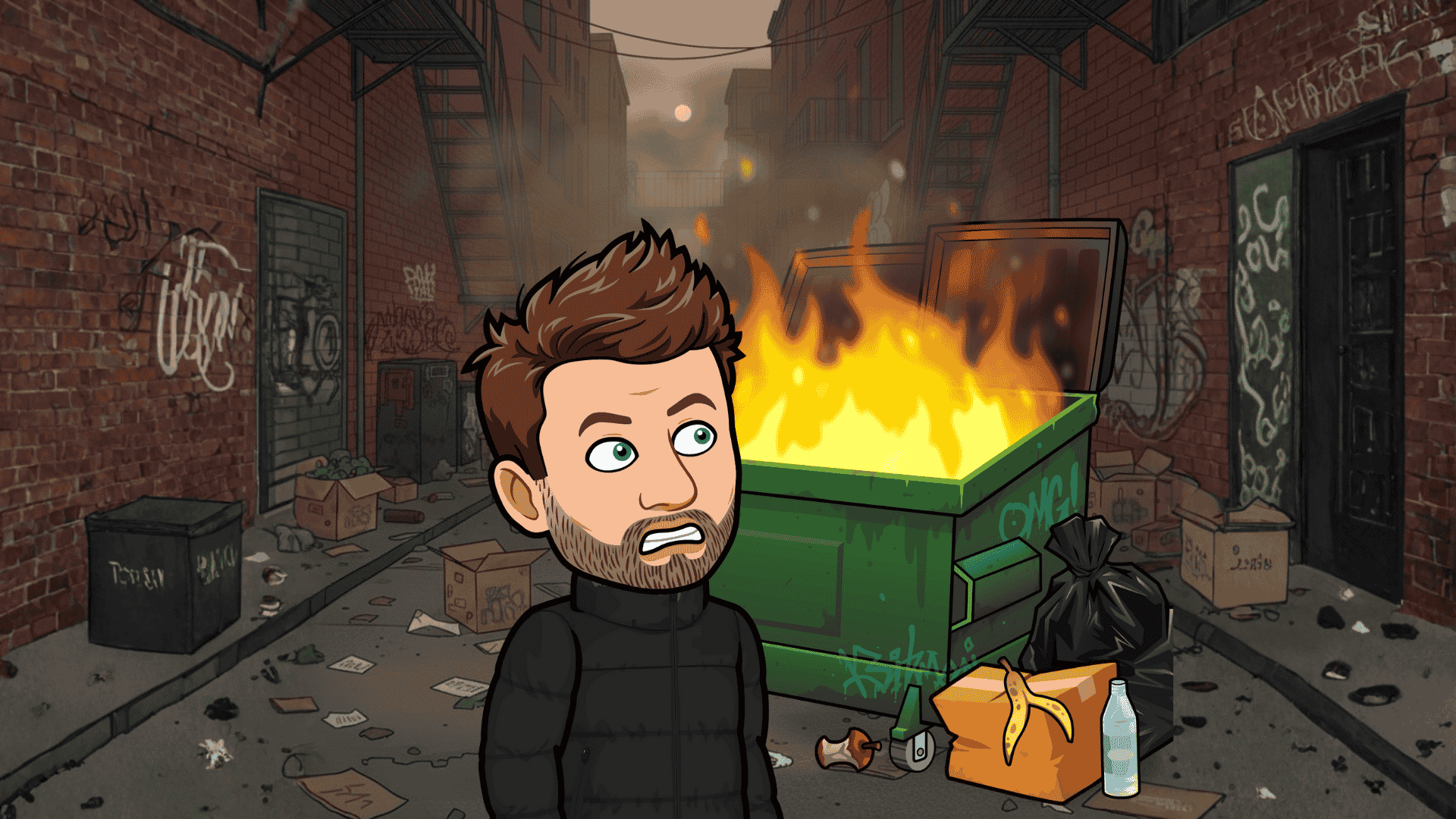
If someone collapses, stops breathing or is seriously injured, knowing what to do first can save their life.
That’s where DRSABCD comes in.
DRSABCD is the first aid action plan used across Australia. It’s a simple acronym that helps you remember the correct order of steps in an emergency, from checking for danger to performing CPR and using an AED.
This guide explains:
What the DRSABCD acronym means
The full DRSABCD definition
How DRSABCD is used in first aid
What CPR stands for
How this applies in real Australian emergencies
What is DRSABCD?
DRSABCD is a first aid acronym used to remember the correct steps to take in an emergency involving unconsciousness, cardiac arrest, breathing emergencies and life-threatening injuries.
What does DRSABCD stand for?
DRSABCD stand for:
Danger
Response
Send for help
Airways
Breathing
CPR
Defibrillation
This is sometimes written as DRS ABCD, DRSABCD or Doctors ABCD but they all refer to this first aid action plan.
What is the DRSABC acronym used for?
The DRSABCD acronym is used to:
Assess emergencies quickly
Prioritise life-threatening problems
Reduce panic by giving a clear process
Ensure nothing critical is missed
It is taught in CPR and first aid courses like HLTAID009 Provide CPR and HLTAID011 Provide First Aid.
DRSABCD definition
DRSABCD is a step-by-step first aid action plan that helps you assess and respond to emergencies involving unconsciousness, cardiac arrest or breathing problems.
In plain English, DRSABCD tells you what to do first, second and next, when seconds matter.
A step-by-step guide to DRSABCD in first aid
D - Check for DANGER
First, ensure the scene is safe for you, the casualty, and bystanders. Remember: you can't help others if you become a casualty yourself.
Look out for traffic, fire, smoke, electricity, aggressive behaviour and water hazards.
R - Check for RESPONSE
Check if the person is responsive by asking them questions and looking and feeling for signs of consciousness.
Talk to them
Squeeze their shoulders
Ask simple questions
This is where the acronym COWS comes into play.
Can you hear me?
Open your eyes
What’s your name?
Squeeze my hand
S - SEND for help
Call 000 (or 112 from a mobile) immediately if:
The person is unconscious
They are not breathing normally
There is a serious injury
Ask someone to find the nearest defibrillator (AED), and stay with the casualty until help arrives.
A - Check AIRWAYS
Open the airways and ensure they are clear. If airways not clear, put in the recovery position.
B - Check BREATHING
Look, listen and feel for breathing. Check if they are if they are breathing normally. If they are not breathing, start CPR.
C - Start CPR
What does CPR stand for?
CPR stands for cardiopulmonary resuscitation. It is used when a person is unresponsive and not breathing normally.
Perform 30 compressions and 2 rescue breaths. Aim for 100 - 120 compressions per minute. Continue CPR until the person becomes responsive, they start breathing normally or medical professionals arrive and tell you to stop.
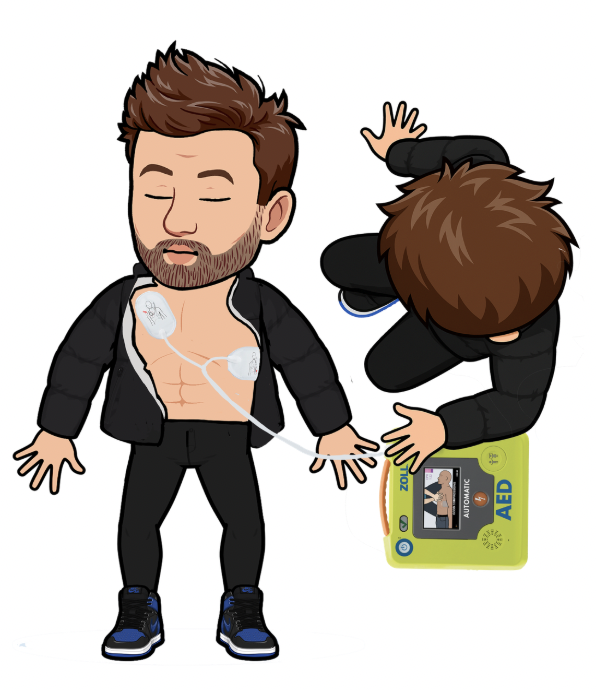
D - DEFIBRILLATOR (AED)
Use an AED (Automated External Defibrillator) as soon as it becomes available.
Turn it on
Follow the voice prompts
Attach pads as shown
AEDs can be used even if you are not trained in their use. But a CPR and/or first aid course will train you in CPR and AED.
What does DRSABCD mean in first aid?
DRSABCD provides a clear, systematic approach to emergency response. Following these steps ensures you don't miss crucial elements in those critical first moments.
DRSABCD Australia - why it matters
In Australia, cardiac arrest can happen anywhere. Survival depends on immediate action with bystanders being able to save lives if they know what to do.
That’s why DRSABCD Australia-wide training is essential for teachers, childcare educators, support workers, aged care workers and parents.
Why learn DRSABCD properly?
Reading about first aid helps but practising it can help save lives.
Accredited CPR training ensures you:
Perform CPR correctly
Use an AED with confidence
Stay clam under pressure
Meet workplace compliance requirements
Learn DRSABCD with Engage First Aid in Adelaide
Our engaging first aid courses teach you these life-saving skills in a way you'll actually remember. Book a course and learn from our trainer who makes first aid fun and memorable.
First Aid Pro Tip: In an emergency, following the DRSABCD steps could save a life. You just need to make sure it’s safe, you call for help early, keep calm, follow the sequence and trust your training.
Resource
Australian Resuscitation Council Guidelines
The information provided in this blog offers general insights only. It is important to note that this content is not intended to serve as medical advice and if you are experiencing a medical emergency, please call 000 immediately.
DRSABCD FAQs
-
DRSABCD is a first aid action plan used in Australia to help people respond to emergencies. It stands for Danger, Response, Send for help, Airway, Breathing, CPR and Defibrillation.
-
In first aid, DRSABCD stands for Danger, Response, Send for help, Airway, Breathing, CPR and Defibrillation.
-
DRSABCD means following a step-by-step approach to check safety, assess a casualty, call 000 and provide life-saving care if needed.
-
Call 000 as soon as the person is unresponsive, seriously injured, or not breathing normally. If possible, ask someone else to call while you begin first aid.
-
CPR stands for Cardiopulmonary Resuscitation.
-
Anyone can follow DRSABCD, but accredited first aid training builds confidence, improves technique and helps you stay calm in an emergency.