Dehydration First Aid: What you need to know to stay safe and hydrated
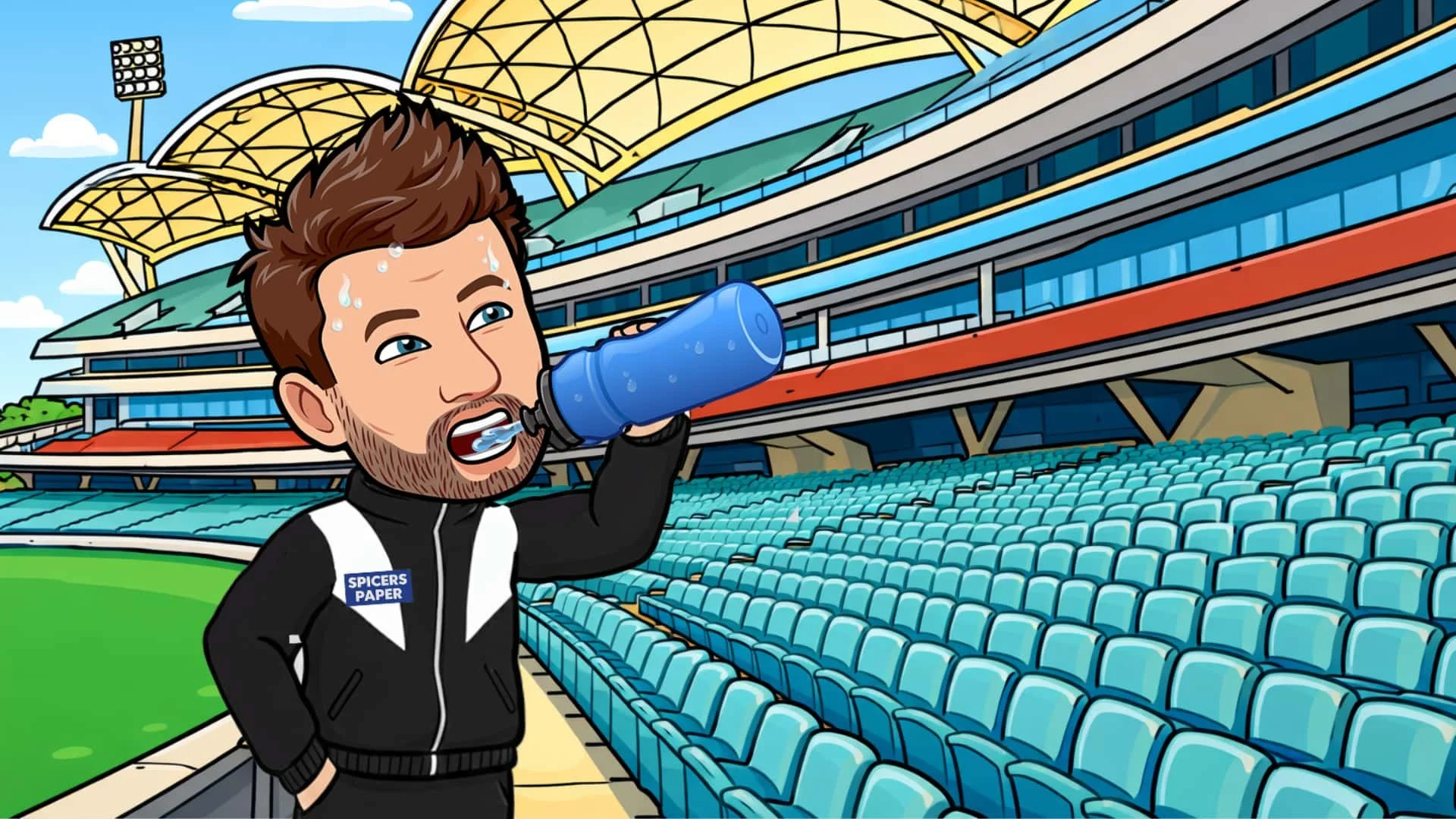
With Adelaide experiencing some of its hottest days in years, understanding dehydration has never been more important. Whether you're heading to the beach, working outdoors or simply trying to stay comfortable during a heatwave, knowing how to recognise, prevent and start treating dehydration quickly could save your life or someone else's.
What is dehydration?
Dehydration occurs when your body loses more fluid than it takes in. Most people think it’s just about feeling thirsty but in reality it’s so much more than that. Dehydration happens when your body doesn't have enough water to carry out normal functions properly.
Your body is made up of 50-80% water (depending on your age and body composition) and this fluid is critical for everything from regulating body temperature to supporting organ function, maintaining blood pressure and transporting nutrients throughout your body.
When you become dehydrated, your body struggles to perform these essential tasks. Even mild dehydration can affect your concentration, mood and physical performance… and no one wants that… even on a 40 degree day. Severe dehydration is a medical emergency that requires immediate treatment.
Why dehydration is a real concern
Adelaide summers are no joke. With recent heatwaves pushing temperatures above 40°C across South Australia, the risk of dehydration increases dramatically. Adelaide experienced its first significant heatwave in several years in early 2025, with consecutive days of extreme heat placing enormous strain on our bodies.
During heatwave conditions in Adelaide, hospital admissions for heat-related dehydration and renal (kidney) diseases increase significantly. The combination of high temperatures and low overnight cooling means your body never gets a proper chance to recover, making it easier to become dangerously dehydrated.
It's very easy to become quickly dehydrated during successive days and nights of hot weather. Those most at risk include people with existing health conditions, the elderly, and young children.
Who is most at risk of dehydration?
While anyone can become dehydrated, certain groups face higher risks:

Babies and young children
Babies and young children are most at risk of dehydration because they lose more fluids through their skin, cannot always get fluids for themselves, are more likely to catch illnesses that cause vomiting and diarrhoea,and may not be able to tell you when they need more fluids.
Older adults
As we age, our body's fluid reserves decrease and our sense of thirst becomes less acute. Older adults may also have mobility issues that prevent them from easily getting water when needed or chronic conditions that increase dehydration risk.
People with chronic illnesses
Those with diabetes, kidney disease, heart conditions or taking certain medications (like diuretics) are at higher risk of becoming dehydrated quickly.
Active people and workers
If you're exercising outdoors, playing sport or working in the heat, you can lose up 1 to 2 litres of fluid per hour through sweating, with extreme cases reaching 3 - 5 litres per hour. Workers exposed to high temperatures are at risk of fatigue, dehydration, sunburn and heat stress, particularly in construction, agriculture, and hospitality industries common across Adelaide.
Dehydration indicators: Signs and symptoms to watch for
Recognising dehydration indicators early is crucial for effective dehydration treatment. The symptoms vary depending on severity:
Mild dehydration
Feeling thirsty
Urinating less frequently than usual
Headache
Dry mouth and lips
Feeling tired or lethargic
Moderate dehydration
Extreme thirst
Very dry mouth, lips, and tongue
Dark yellow or amber-coloured urine
Urinating infrequently (less than 3-4 times a day)
Dizziness or lightheadedness
Nausea and sometimes vomiting
Fatigue and weakness
Reduced skin elasticity
Confusion or irritability
Severe dehydration (this is a medical emergency)
Very dark urine or no urination for 8+ hours
Rapid heartbeat and breathing
Sunken eyes
Extreme fatigue or unconsciousness
Cold, mottled (patchy, reddish-blue) skin
Low blood pressure
Confusion or delirium
Seizures
If you or someone else shows signs of severe dehydration, call 000 immediately or go to your nearest hospital emergency department.
Other signs in babies and children
For babies and young children in nappies, you want to watch for fewer wet nappies or ones that aren’t as wet as usual.
If your child is under six months old and shows any signs of dehydration, take them to see a doctor as they can get sicker very quickly.
What causes dehydration?
Understanding what causes dehydration helps you prevent it. Common causes include:
Hot weather and heatwaves
When it's hot, you sweat more to cool down. During Adelaide's recent heatwave conditions with temperatures exceeding 40°C, your body can lose several litres of fluid per day just trying to maintain a normal temperature.
Illness
Gastroenteritis (gastro), which causes vomiting and diarrhoea, is one of the most common causes of dehydration. Fever, sore throats and respiratory infections can also lead to dehydration, especially in children.

Exercise and physical activity
Vigorous exercise, especially in hot weather, dramatically increases fluid loss through sweating. Athletes, fitness enthusiasts and manual workers need to pay special attention to hydration.
Excessive alcohol consumption
Alcohol is a diuretic, meaning it makes you urinate more frequently and can lead to dehydration. That's why hangovers often come with headaches and fatigue.
Not drinking enough water
Sometimes it's simply a matter of not drinking enough fluids throughout the day, particularly when you're busy or don't have easy access to water.
Dehydration treatment: How to fix dehydration
When it comes to treating dehydration, time is critical. Effective dehydration treatment depends on how severe the condition is. Here's how to fix dehydration based on its severity:
For mild dehydration
Drink water or oral rehydration solutions like HYDRAlyte
If a child refuses, try a diluted apple juice or their usual milk
Do not have drinks high in sugar
Rest in a cool environment
Remove excess clothing
Continue taking small sips frequently rather than large amounts at once
For infants over 6 months:
Replace bottle feeds with oral rehydration solution or water for the first 12 hours, then give normal formula in small, but more frequent amounts
For older children:
Give at least one cup of water or oral rehydration solution every hour for four hours
If they also have vomiting or diarrhoea, give them more than that to drink
Smaller children will need less to drink than older children.
What NOT to do when it comes to hydration
Don't give sports drinks to children
Don't give anti-diarrhoeal medications without medical advice
Don't wait for severe symptoms to develop, act early
For severe dehydration
This is a medical emergency - call 000 immediately.
How to prevent dehydration
Here's how to stay properly hydrated, especially during Adelaide's hot summer months:
Drink Plenty of Water
Daily water needs vary, but a general guide is:
Adults: 2-2.5 litres per day (more in hot weather or when active)
Teenagers (14-18 years): 1.6-1.9 litres per day
Children (9-13 years): 1.4-1.6 litres per day
Children (4-8 years): 1.2 litres per day
Children (1-3 years): 1 litre per day
During hot weather, children should drink extra water before, during and after exercise and on hot weather days.
Time your hydration
Drink water before you feel thirsty
Drink before, during and after exercise
Start your day with a glass of water
Set reminders on your phone if you forget to drink
Buy a smart hydration drink bottle that uses bluetooth to sync to an app on your phone or sensor-based bottles
Make water more appealing
Add a slice of lemon, lime or cucumber for flavour
Keep water chilled in the fridge
Use a reusable water bottle you enjoy drinking from
Eat water-rich foods like watermelon, cucumber, strawberries and lettuce
During hot weather stay indoors
Stay indoors during the hottest part of the day. Also take cool showers and splash yourself with cold water several times a day. Ensure sufficient air circulation from an air conditioner or leave a secure window or door open, if the breeze isn’t too hot! If you must go out, stay in the shade and wear a hat and light-coloured, loose-fitting clothes.
When you're ill…
If you're experiencing vomiting, diarrhoea or fever:
Increase your fluid intake significantly
Consider oral rehydration solutions
Continue offering fluids even if vomiting
Seek medical attention if symptoms don't improve within 24 hours
Hydration myths debunked
Myth: You only need water when you're thirsty
Truth: By the time you feel thirsty, you're already mildly dehydrated. Drink regularly throughout the day.
Myth: Coffee and tea don't count toward hydration
Truth: While caffeinated drinks can have a mild diuretic effect, they still contribute to your daily fluid intake. However, water is still the best choice.
Myth: Sports drinks are necessary for hydration
Truth: For most people doing regular exercise, water is sufficient. Sports drinks are only needed for intense exercise lasting over an hour. They're not recommended for children due to high sugar content.
Myth: Clear urine means you're well hydrated
Truth: While very dark urine indicates dehydration, completely clear urine might mean you're drinking too much. Aim for pale yellow.
When to seek medical help
Seek immediate medical attention by calling 000 if you or someone else:
Has signs of severe dehydration (cold hands, mottled skin, sunken eyes, extreme lethargy)
Has trouble breathing
Appears confused or loses consciousness
Has blue or grey-looking skin
Is a baby under 6 months showing any signs of dehydration
See a doctor or health professional if:
Dehydration symptoms don't improve despite drinking fluids
Symptoms persist for more than 24 hours
The person has a chronic illness like diabetes, kidney disease, or heart problems
The person takes medications that increase dehydration risk
You're caring for a young child, elderly person, or someone with special needs
The Link Between dehydration and heat-related illness
Dehydration doesn't occur in isolation during hot weather. It's often a precursor to more serious heat-related conditions. When your body can't produce enough sweat to cool itself because of dehydration, you become vulnerable to:
Heat cramps: Painful muscle cramps, usually in the legs or abdomen
Heat exhaustion: Heavy sweating, weakness, nausea, headache and dizziness
Heat stroke: A life-threatening emergency where body temperature rises above 40°C
Stay safe this Summer, Adelaide
As we navigate another South Australian summer and school holidays, staying hydrated isn't just about comfort, it's about safety. Understanding dehydration indicators, knowing how to fix dehydration quickly and having effective dehydration treatment strategies can make all the difference.
Whether you're at the beach, working outdoors, playing sport or just trying to beat the heat at home, being prepared for treating dehydration and knowing how to prevent dehydration will keep you and your loved ones safe.
Remember:
Drink water regularly, even before you feel thirsty
Watch for early dehydration indicators including nausea, dizziness and dark urine
Know how to fix dehydration fast with proper fluid intake
Act quickly if symptoms appear
Know when to seek medical help
Check on vulnerable family members and neighbours during heatwaves
Book in a first aid course with Engage First Aid so you know what to do in an emergency
The information provided in this blog offers general insights only. It is important to note that this content is not intended to serve as medical advice and if you are experiencing a medical emergency, please call 000 immediately.
References:
Royal Children's Hospital Melbourne, Dehydration in babies and children
SA Health, Healthy in the Heat
Bureau of Meteorology, Heatwave
SafeWork SA, Hot spell prompts SafeWork SA warning
Dehydration Frequently Asked Questions
-
During hot weather, adults should aim for at least 2.5-3 litres of water per day and more if you're active or working outdoors. Children's needs vary by age but should increase significantly during heatwaves. Listen to your body and drink more if you're sweating heavily.
-
Dehydration is caused by losing more fluid than you take in, while heat exhaustion occurs when your body overheats and can't cool itself effectively. However, dehydration often leads to heat exhaustion, as your body needs adequate fluids to sweat and regulate temperature.
-
Yes. Dehydration commonly causes nausea and can lead to vomiting, particularly when you reach moderate to severe dehydration levels. This happens because dehydration affects your digestive system and can trigger feelings of sickness. If you're experiencing nausea with other dehydration indicators, try taking very small sips of fluid every few minutes rather than drinking large amounts at once.